
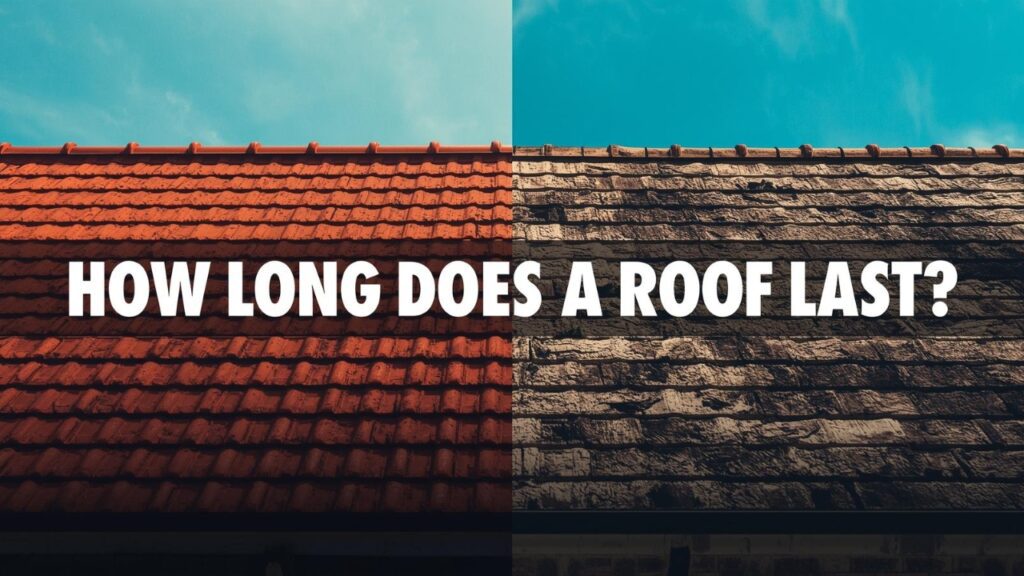
If you own a home, your roof is one of your biggest investments. And one of the most common questions homeowners ask is simple: “How Long Does A Roof Typically Last?” You might start thinking about this after a heavy rain, a bad storm, or when you notice a small stain on the ceiling. As a Roofing Contractor in Brooklyn, we hear this question almost every day from homeowners.
Simply put, most roofs last 25 to 50 years, depending on the roofing material, local weather, installation quality, and regular maintenance. Asphalt roofs usually need replacement sooner, while metal, slate, and tile roofs can last much longer if they are properly installed and cared for.
Keep reading, and you will clearly understand what really controls your roof’s lifespan and how you can make yours last as long as possible.
How Long Does A Roof Typically Last? Average Roof Lifespan at a Glance
Here’s a quick overview before we go deeper.
- Asphalt shingles: 20 to 30 years
- Architectural asphalt shingles: 30 to 50 years
- Metal roofs: 40 to 80 years
- Wood shingles or shakes: 30 to 50 years
- Composite or synthetic shingles: 40 to 50 plus years
- Slate roofs: 60 to 150 years
- Clay or concrete tiles: 50 to 100 plus years
- Flat commercial roofs: 15 to 50 plus years, depending on type
Now, let’s explain why these numbers vary so much.
The Biggest Factors That Decide How Long a Roof Lasts
Roof lifespan is not just about age. As an experienced roofing contractor in Brooklyn, we have seen that two roofs installed in the same year can fail at very different times.
Here’s why.
1. Roofing Material Type
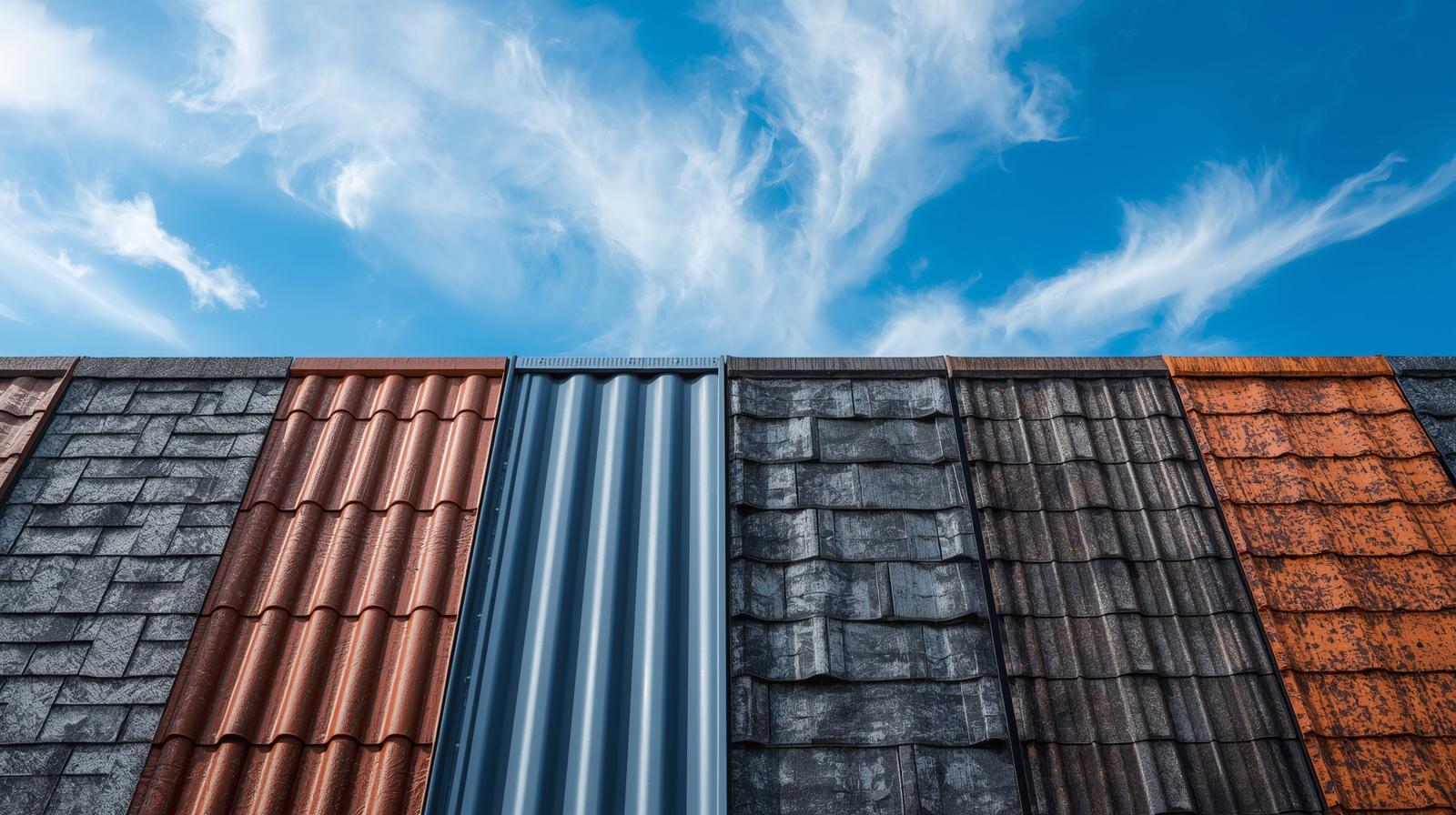
The type of material on your roof sets the foundation for how long it will last. Some materials are simply stronger by nature. Asphalt shingles are popular because they cost less and are easy to install, but they break down faster under the sun, wind, and storms.
Metal roofs handle weather much better and stay strong for decades. Slate and clay are on another level. They are extremely tough and can last longer than the house itself.
In most cases, materials that cost more at the start give you many more years of protection. This is one area where you truly get what you pay for.
2. Quality of Materials
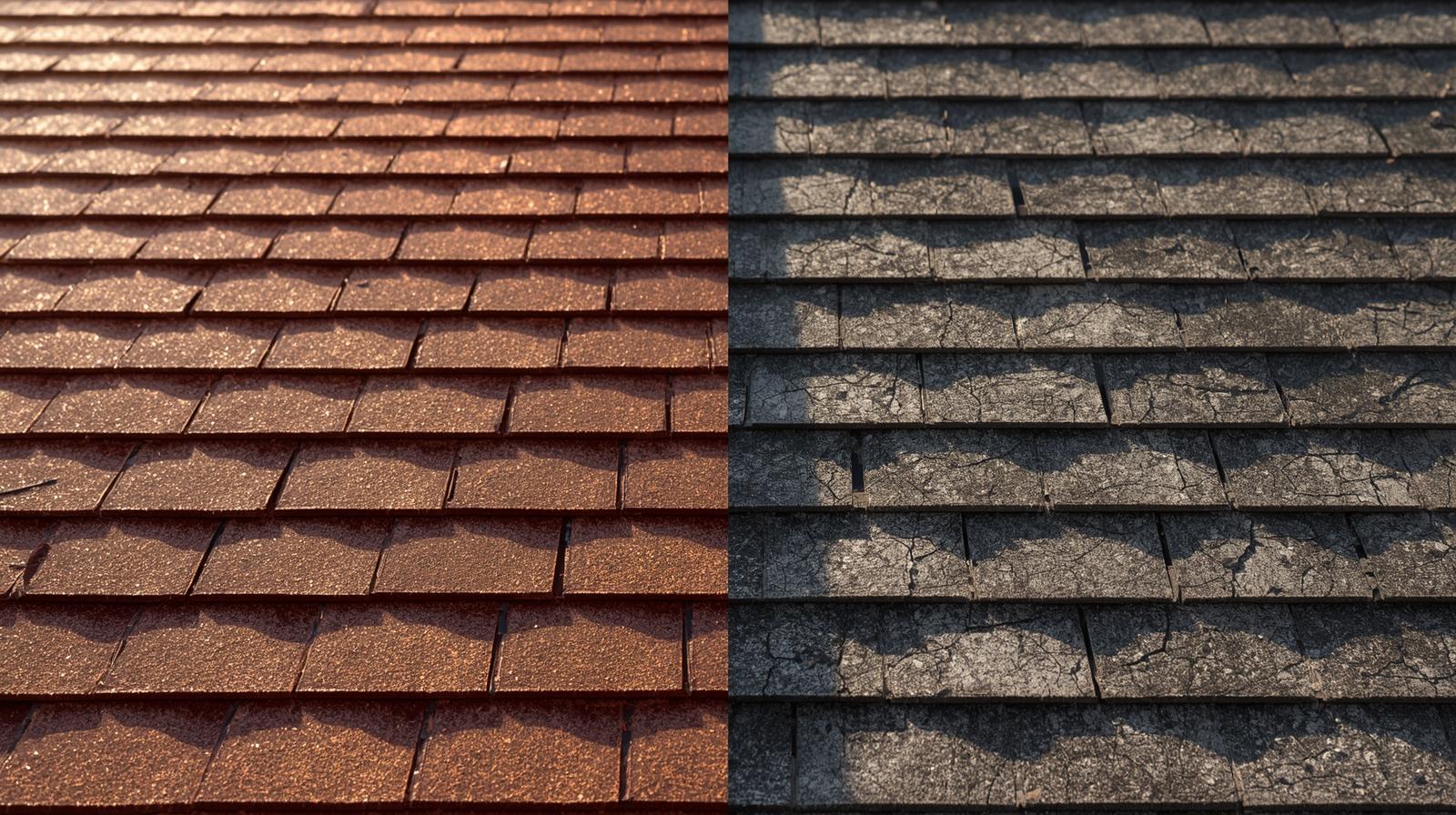
Even within the same roof type, quality makes a big difference. Not all shingles or tiles are made the same. There are basic versions, and there are premium ones.
Lower-quality materials tend to crack sooner, lose protective granules faster, and need frequent repairs. Higher-quality materials hold up better against heat, wind, and moisture. They also come with stronger warranties and age more slowly over time.
Spending a little more up front often saves you a lot of money and stress in the long run.
3. Installation and Workmanship
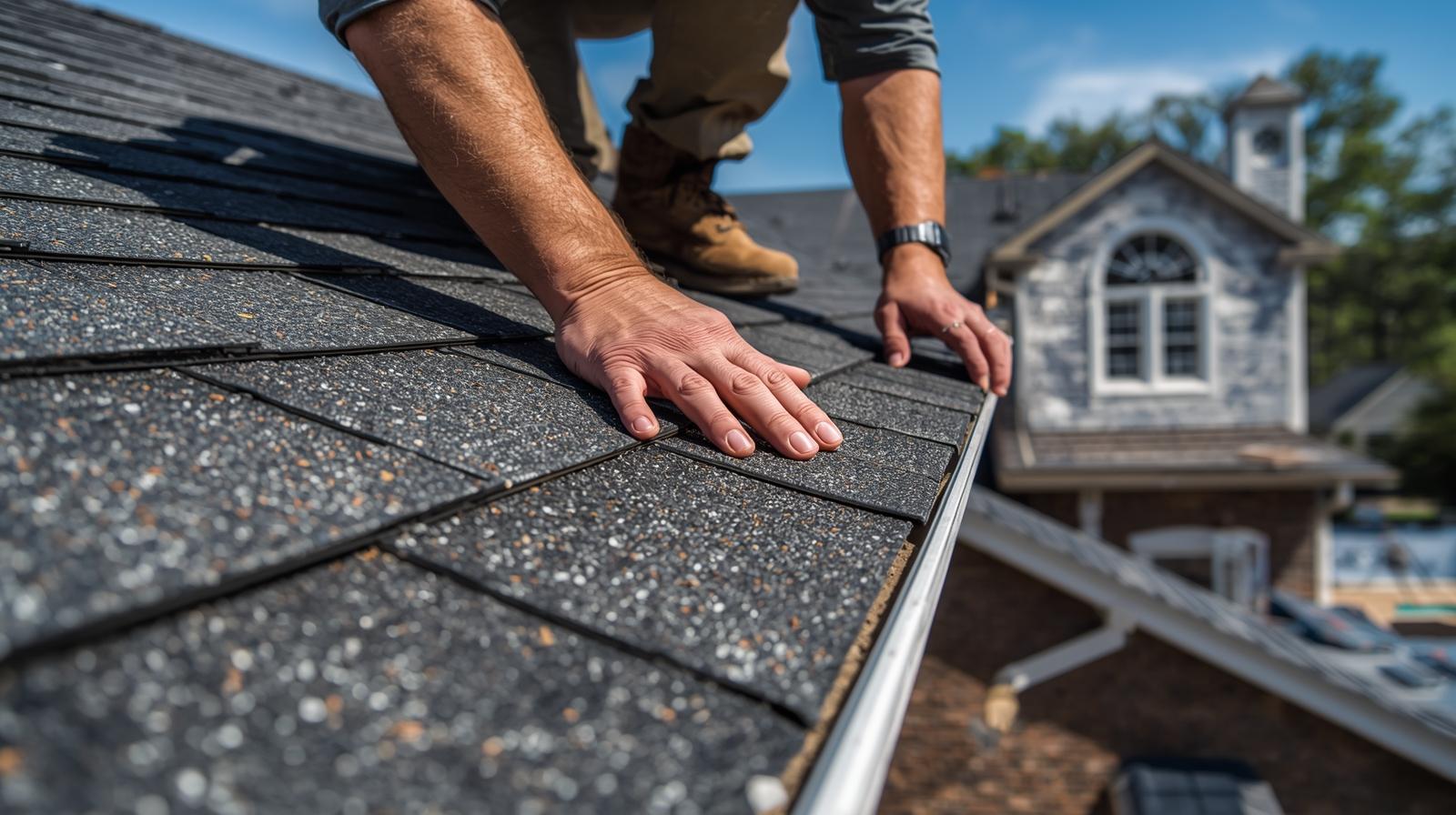
This part is huge. A perfectly good roof can fail early if it’s installed poorly.
Common installation mistakes include:
- Bad nailing
- Missing underlayment
- Reused flashing
- Poor sealing
- No drip edge
- Incorrect ventilation setup
A licensed, experienced roofing contractor in Brooklyn matters more than people realize.
Good installation can add 10 or more years to your roof’s life.
4. Underlayment Beneath the Roof
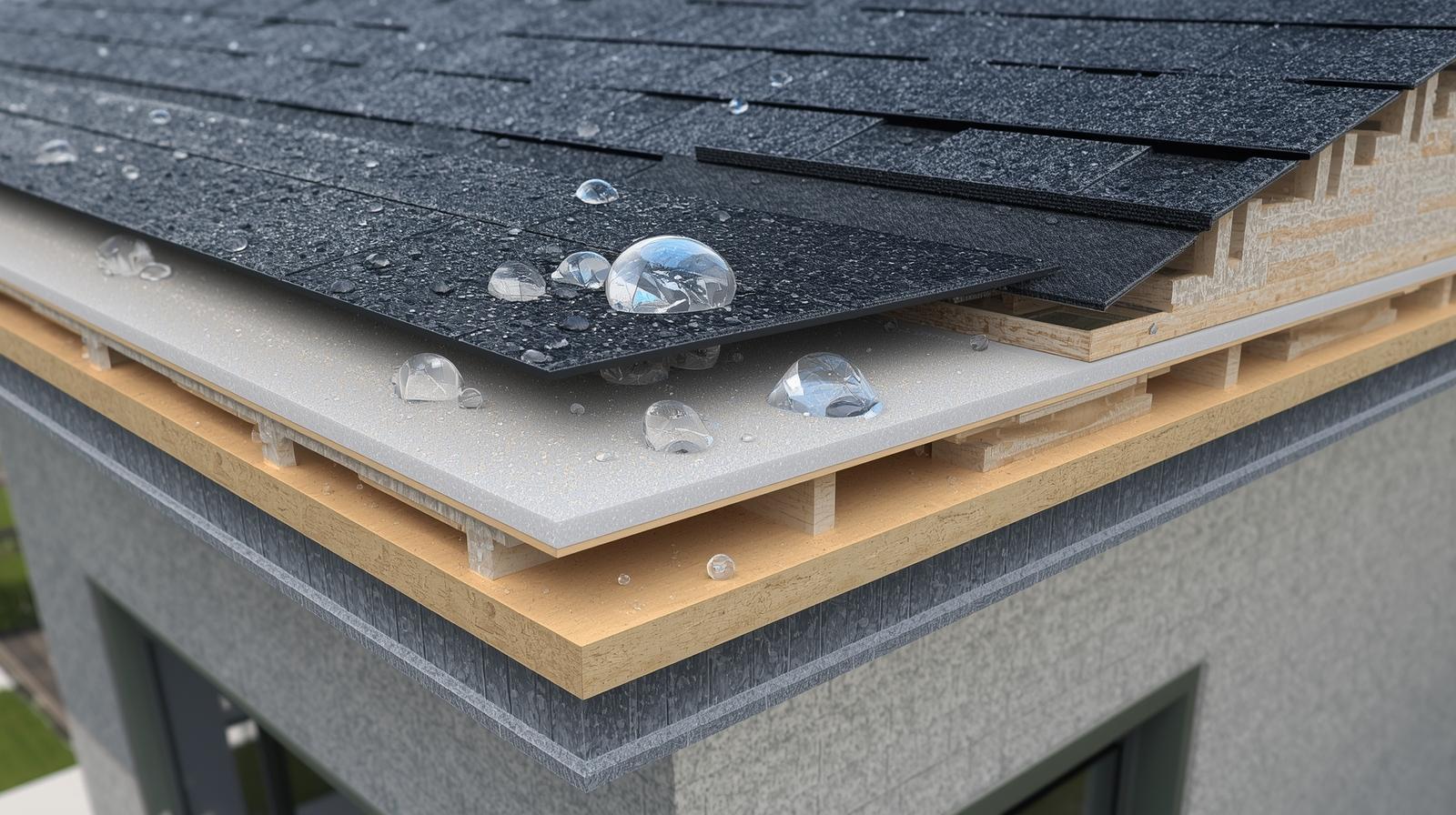
Underlayment is the hidden waterproof layer under your shingles. If water sneaks past the shingles, underlayment is your backup protection. Older homes often used felt paper. It breaks down faster.
Modern synthetic underlayment:
- Lasts much longer
- Handles moisture better
- Protects against mold and rot
Skipping quality underlayment shortens roof life dramatically.
5. Climate and Weather Exposure
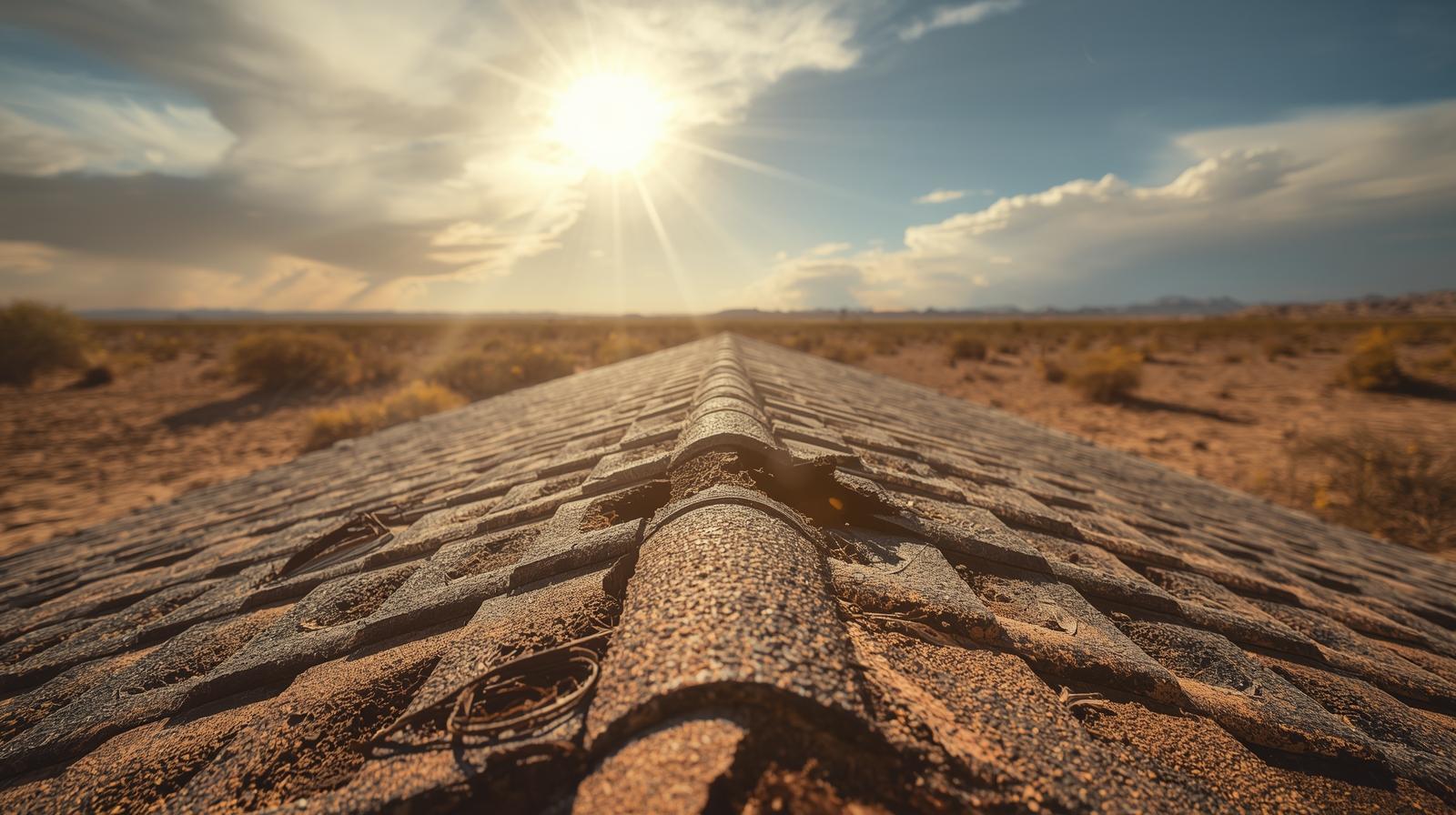
Your roof fights the weather every single day. Different climates cause different problems.
- Hot climates speed up UV damage
- Cold climates cause freeze-and-thaw cracking
- Coastal areas corrode metal faster due to salt air
- Midwest hail damages shingles and removes granules
- Heavy snow adds weight and moisture stress
Your local climate should always guide material choice.
6. Roof Color
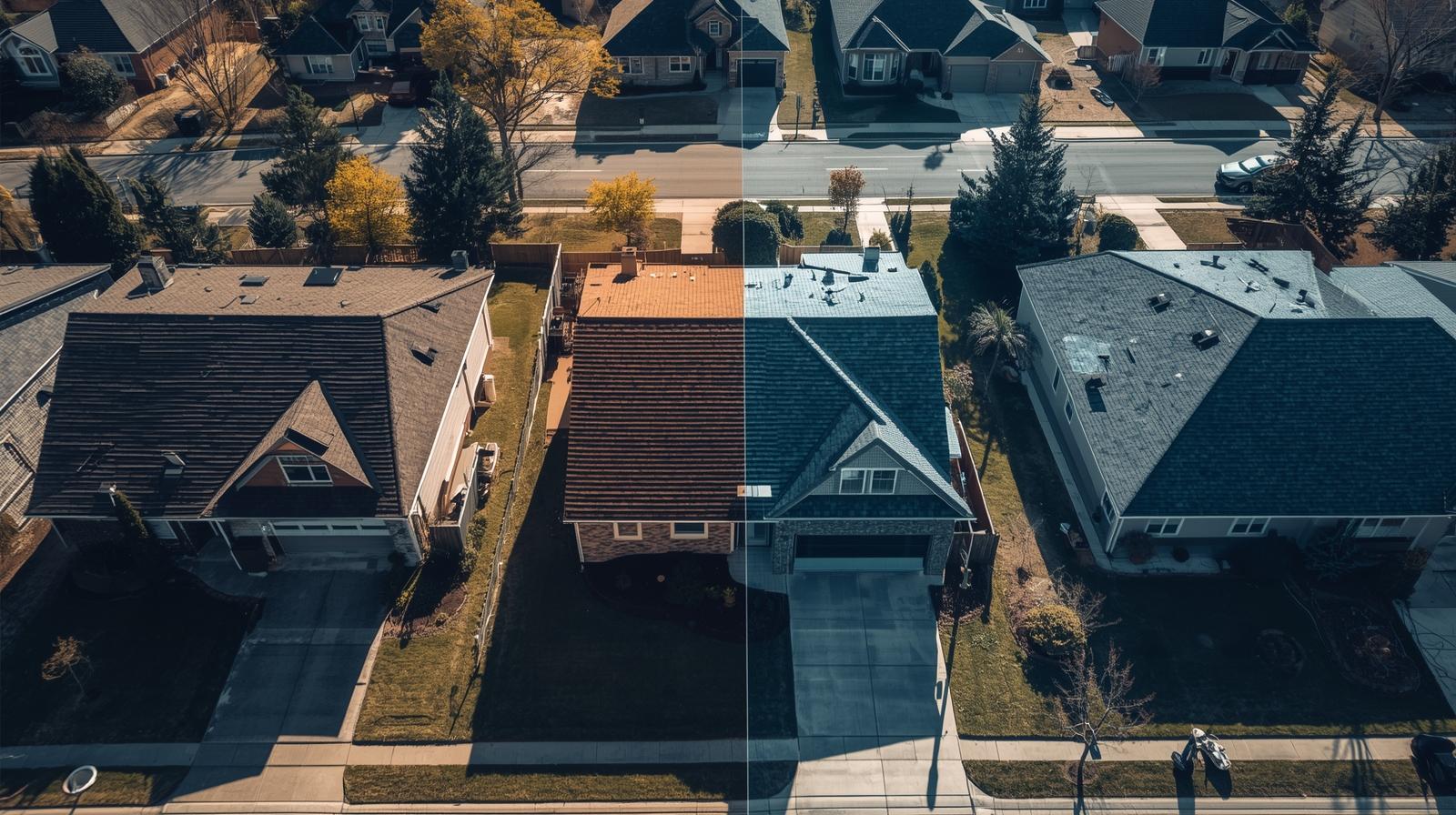
Color actually matters more than people think.
Dark roofs:
- Absorb more heat
- Age faster in sunny climates
- Make attic heat buildup worse
Light-colored roofs:
- Reflect sunlight
- Stay cooler
- Reduce long-term material stress
In hot regions, lighter colors often last longer.
7. Roof Slope and Design
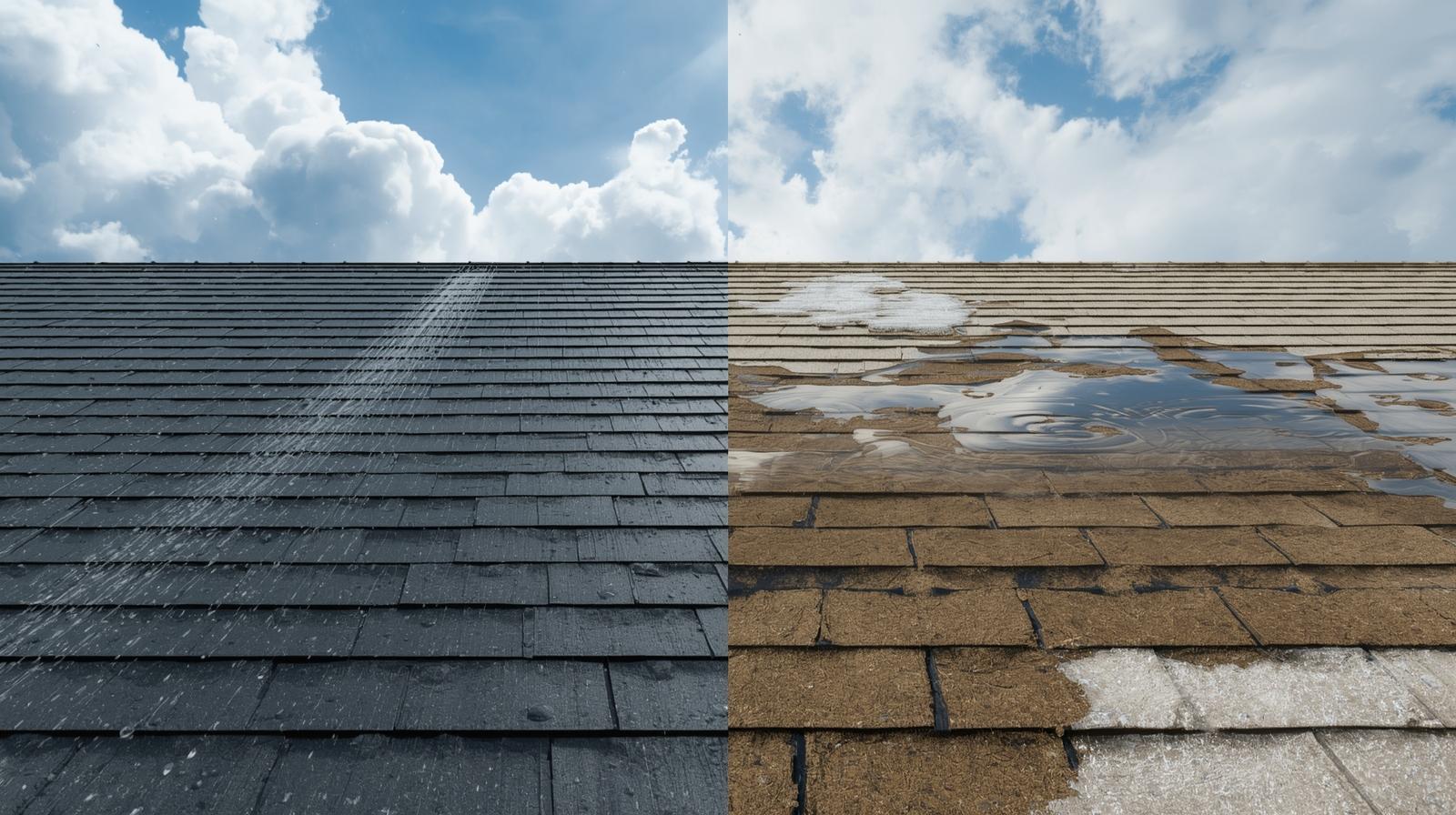
Slope controls how water leaves your roof.
Steep roofs:
- Drain water quickly
- Shed snow easily
- Last longer overall
Low-slope or flat roofs:
- Hold water longer
- Need special materials
- Require more maintenance
Standing water is one of the biggest enemies of roof longevity.
8. Ventilation
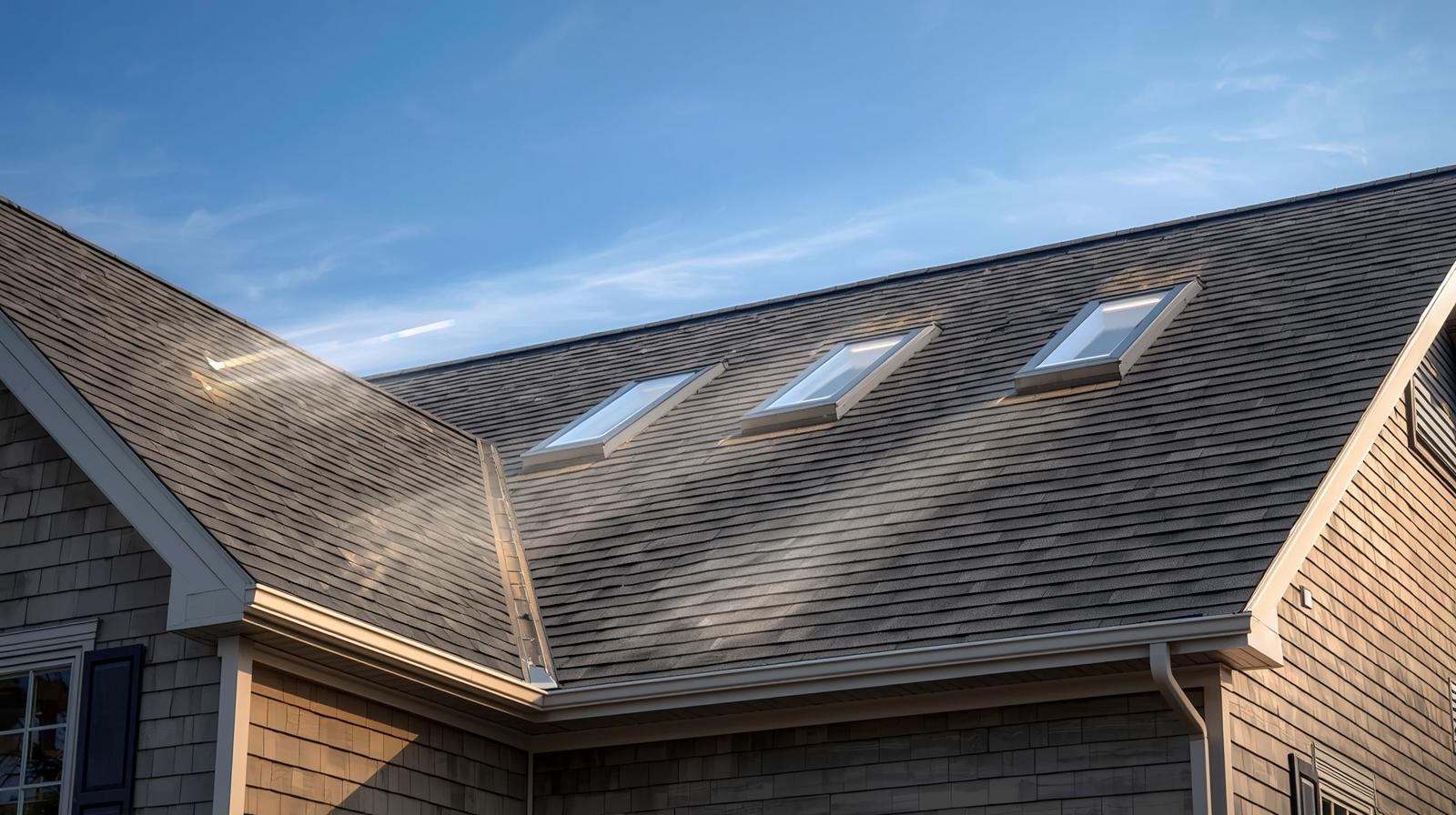
Your roof needs to breathe.
Poor ventilation causes:
- Heat buildup in summer
- Moisture buildup in winter
- Shingles cooking from underneath
- Mold and rot in the attic
Signs of bad ventilation include:
- High energy bills
- Curling shingles
- Musty attic smells
- Ice dams in winter
- Uneven indoor temperatures
Proper airflow protects both the roof and your home.
9. Trees Around the House
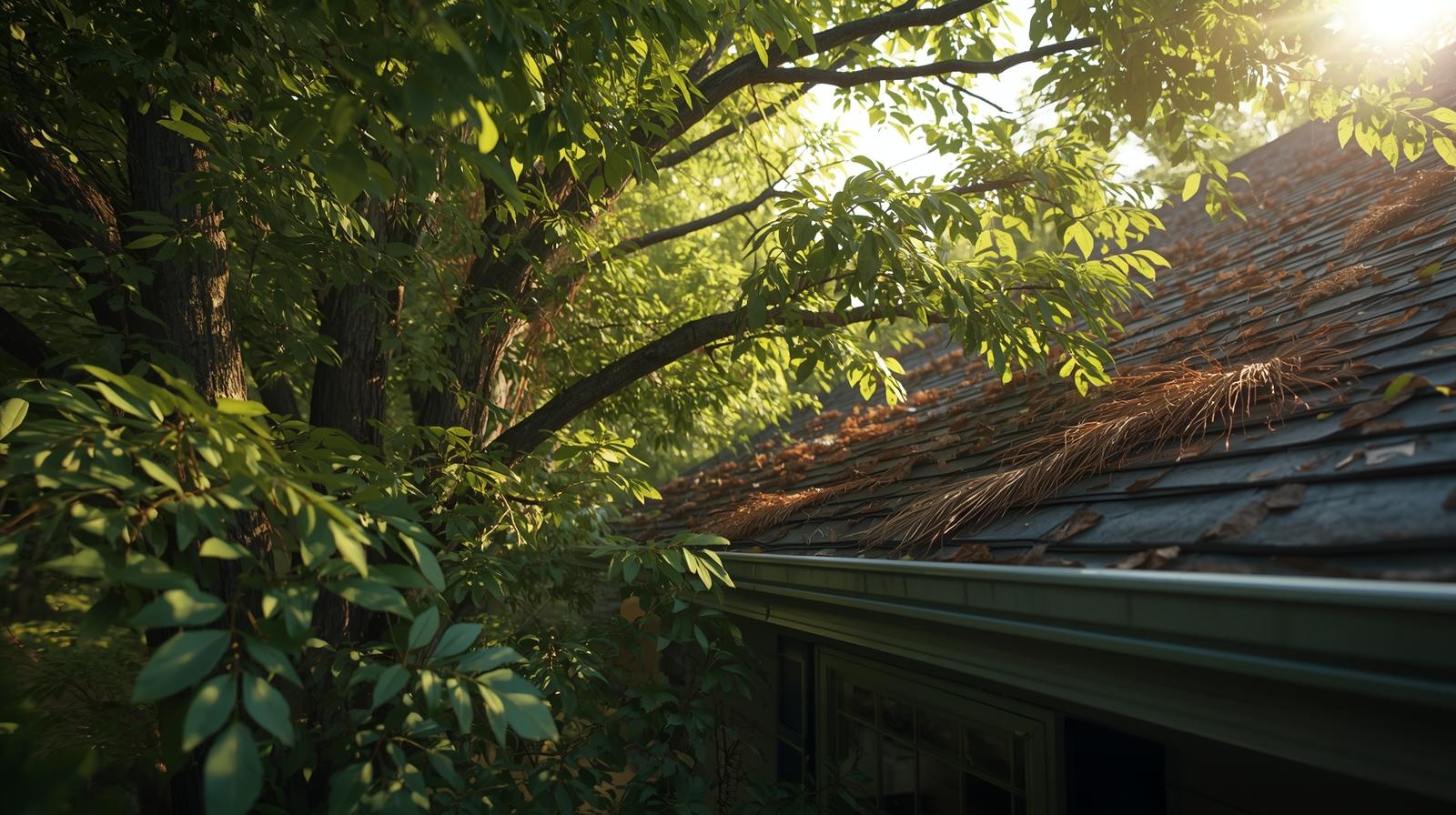
Trees can help or hurt. They provide shade, which reduces heat. But they also cause problems.
- Branches scrape shingles
- Leaves clog gutters
- Pine needles trap moisture
- Debris causes water dams
Trim branches at least 10 feet from the roof. Clean gutters regularly.
10. Maintenance and Inspections

Maintenance makes the biggest difference over time. Simple care can add 5 to 10 extra years to a roof.
Good habits include:
- Annual roof inspections
- Checking after storms
- Cleaning gutters
- Fixing small issues early
- Removing moss and algae gently
Small repairs now prevent big replacements later.
How Long Different Roof Types Really Last
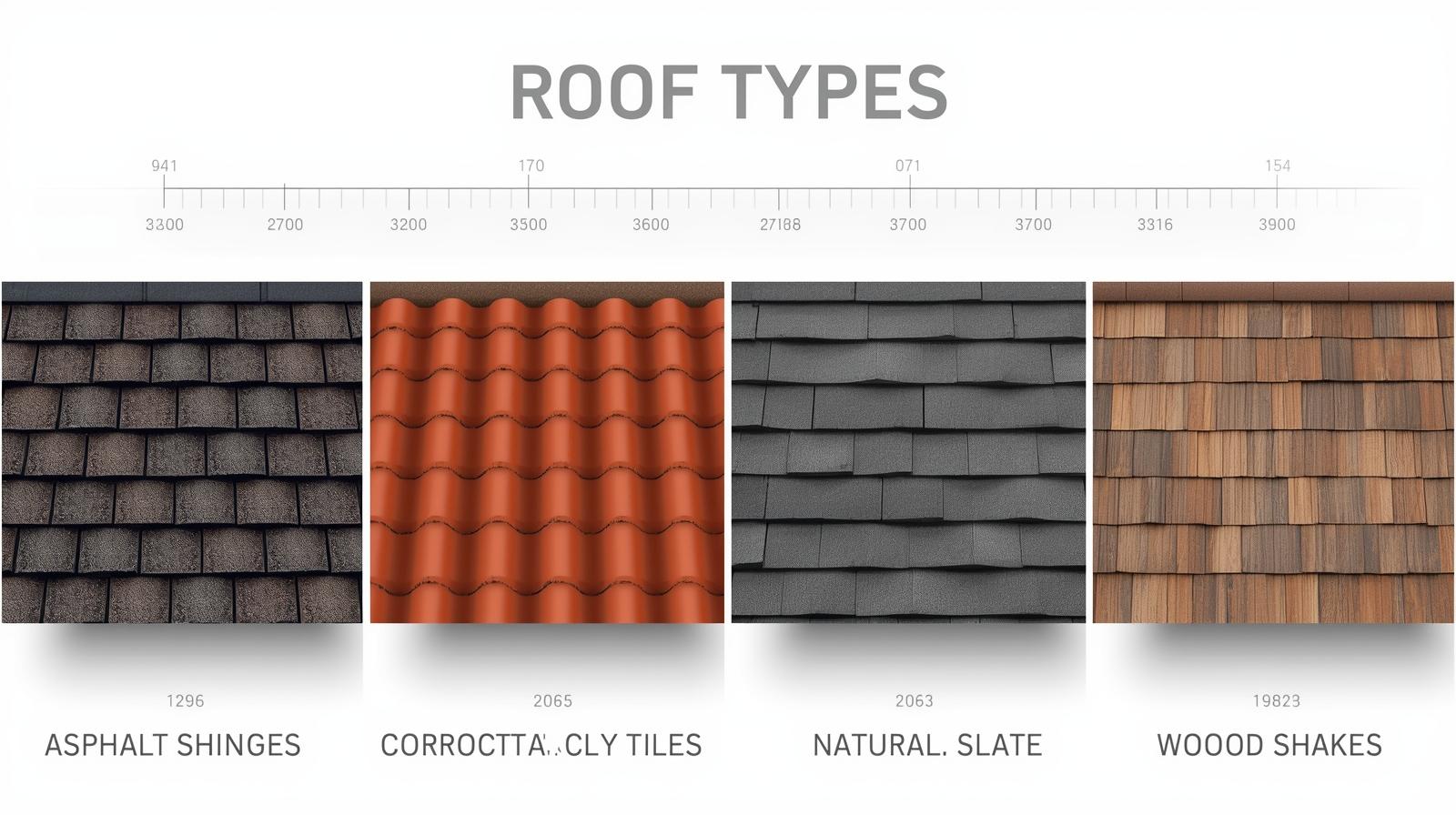
Let’s go material by material.
Asphalt Shingle Roofs
They are affordable and common. But they wear faster in heat and storms.
- Three-tab shingles: 15 to 20 years
- Architectural shingles: 30 to 50 years
Metal Roofs
Metal resists fire, wind, and insects. Higher upfront cost, but excellent lifespan.
- Thin metal: 20 to 30 years
- Thick, high-quality metal: 50 to 80 years
Wood Shingles and Shakes
They look beautiful but need care. They are vulnerable to fire, insects, and moisture.
- Lifespan: 30 to 50 years
Composite and Synthetic Shingles
They mimic slate or wood. Lighter weight. Good durability.
- Lifespan: 40 to 50 plus years
Slate Roofs
Extremely durable. Very heavy. Requires structural support and skilled installers.
- Lifespan: 60 to 150 years
Clay and Concrete Tile Roofs
Common in hot climates. Excellent heat resistance. Heavy and expensive to install.
- Lifespan: 50 to 100 plus years
Flat and Commercial Roofs
Flat roofs demand consistent maintenance.
- EPDM rubber: 15 to 30 years
- TPO: 15 to 20 years
- PVC: 20 plus years
- Spray foam: 50 plus years with proper recoating
Roof Warranties vs Actual Lifespan
A warranty does not equal lifespan. Most roofs last longer than their warranties.
Warranties help by:
- Covering material defects
- Encouraging proper roofing installation
- Protecting against early failure
Always read warranty terms carefully. Roofing maintenance is usually required to keep coverage valid.
Signs Your Roof Is Near the End
Watch for these warning signs:
- Curling or cracked shingles
- Bald spots where granules are gone
- Granules in gutters
- Water stains on ceilings
- Multiple leaks
- Sagging rooflines
- Mold or musty smells
- Frequent repairs
Age plus damage usually means replacement time.
How Often Should You Replace Your Roof?
There’s no exact date. Replace your roof when:
- Repairs become frequent
- Leaks appear in multiple areas
- Materials lose flexibility
- Damage affects large sections
Annual inspections help you plan ahead instead of reacting to emergencies.
How to Make Your Roof Last Longer
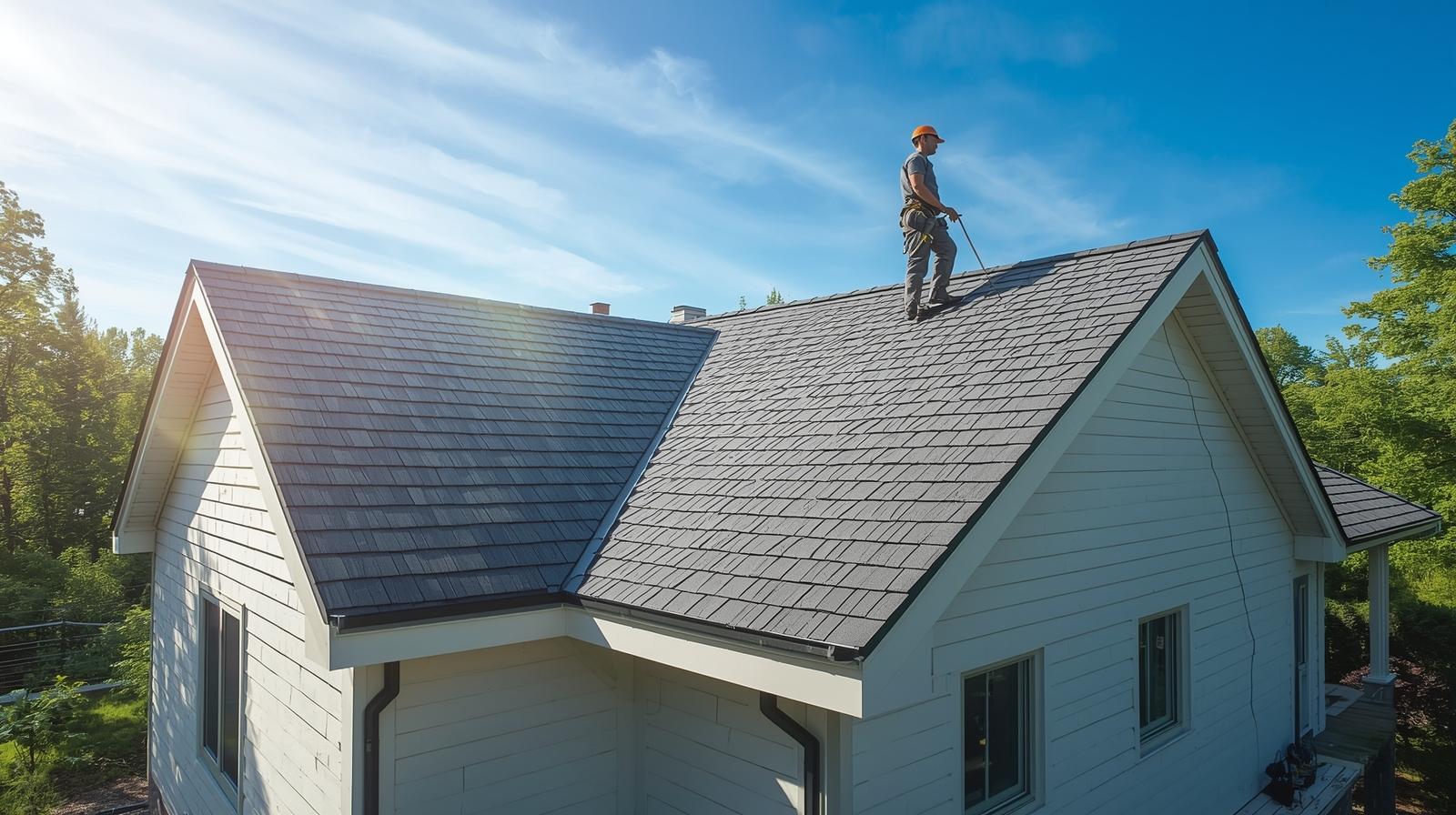
Here’s the simple checklist:
- Choose the right material for your climate
- Hire a qualified contractor, like AKRoofing3D
- Ensure proper ventilation
- Inspect yearly
- Clean gutters
- Trim trees
- Fix small problems fast
- Avoid pressure washing shingles
These habits protect your investment.
How AKRoofing3D Helps Protect Your Home
At AKRoofing3D, we help homeowners protect and increase the value of their homes with reliable, long-lasting roofing solutions. As a trusted Roofing Contractor in Brooklyn, NY, we handle everything from small roof repairs to full roof replacements using asphalt shingles, flat roofs, metal, clay tile, and slate.
Our licensed and experienced team installs every roofing system the right way, using quality materials that stand up to New York weather. We keep the process simple, clean, and stress-free, with fair pricing and clear communication from start to finish.
If your roof needs repair, replacement, or a professional inspection, now is the time to act.
Call AKRoofing3D today and schedule your appointment to secure your roof and your peace of mind.
Wrapping Up
So, how long does a roof typically last? Most roofs last 25 to 50 years, some last much longer, and some fail earlier than expected; and the difference almost always comes down to choices. The right materials, the right installer, and the right maintenance all play a major role. Your roof protects everything underneath it, so taking care of it means taking care of your entire home. When you understand your roof’s age, material, and overall condition, you can plan ahead, avoid costly surprises, and feel confident about your next steps.
FAQs
You can start by checking home inspection reports, past permits, or asking the previous owner if that information is available. A roofing contractor can also inspect the shingles and layers to estimate the roof’s age based on wear patterns. This gives you a good idea of how much life your roof may still have.
Yes, a new roof can raise your home’s value and make it more attractive to buyers. People feel safer buying a home when they know the roof will not need replacement soon. It also helps homes sell faster and with fewer negotiation issues.
Small repairs are fine if the roof is still in good shape overall. But if repairs keep happening often, replacement usually makes more sense. Constant patching can cost more over time than the cost of installing a new roof.
Yes, many insurance companies consider roof age when setting coverage or premiums. Older roofs may have limited coverage or higher deductibles. Keeping records of maintenance and inspections can help during claims.
Yes, good insulation helps control temperature inside the attic. This reduces heat buildup in summer and moisture problems in winter. Less stress on the roof materials helps them last longer.
It is smart to inspect your roof within the first year after installation. This helps catch small installation issues early. Early fixes prevent bigger problems later.
Yes, regular inspections, cleaning gutters, fixing small issues quickly, and keeping trees trimmed all help. These simple steps reduce stress on the roof. Over time, they can add several extra years of protection. |